
Thailand – The White Lotus portrayal of Thai Buddhism has attracted attention since the third season brought viewers to Thailand. However, religious scholars say several scenes should not be taken as an exact picture of Buddhist life.
Season 3 takes place largely on the Thai island of Koh Samui. Moreover, spirituality, meditation and Buddhist ideas play an important role in the story.
Yet some details differ from common Buddhist practices in Thailand. These include meditation retreats, temple life and ideas about death and rebirth.
The White Lotus Portrayal of Thai Buddhism
One storyline follows Piper Ratliff, a young American who becomes interested in Buddhism. She considers spending a year at a Buddhist temple to study meditation.
However, Schedneck notes that this setup does not closely reflect how meditation programs usually operate at Thai temples.
Meditation centers generally offer shorter and more structured retreats. For example, some programs last around 10 days. Meanwhile, certain intensive programs can run for about 21 days.
Therefore, a yearlong meditation program like the one presented in the series is not a typical arrangement.
Meditation Is More Than Relaxation
Western audiences often associate Buddhist meditation with relaxation and stress reduction.
However, meditation has a deeper religious purpose within Thai Theravada Buddhism.
Practitioners may view meditation as a way to develop insight and accumulate merit. Furthermore, the ultimate spiritual goal involves liberation from the cycle of rebirth.
As a result, meditation is not simply a wellness exercise. It forms part of a broader religious path.
Structured retreats can also be demanding. Participants may spend many hours practicing sitting and walking meditation while maintaining mindfulness throughout the day.
Making Merit Is Central to Thai Buddhism
Another important practice is merit-making.
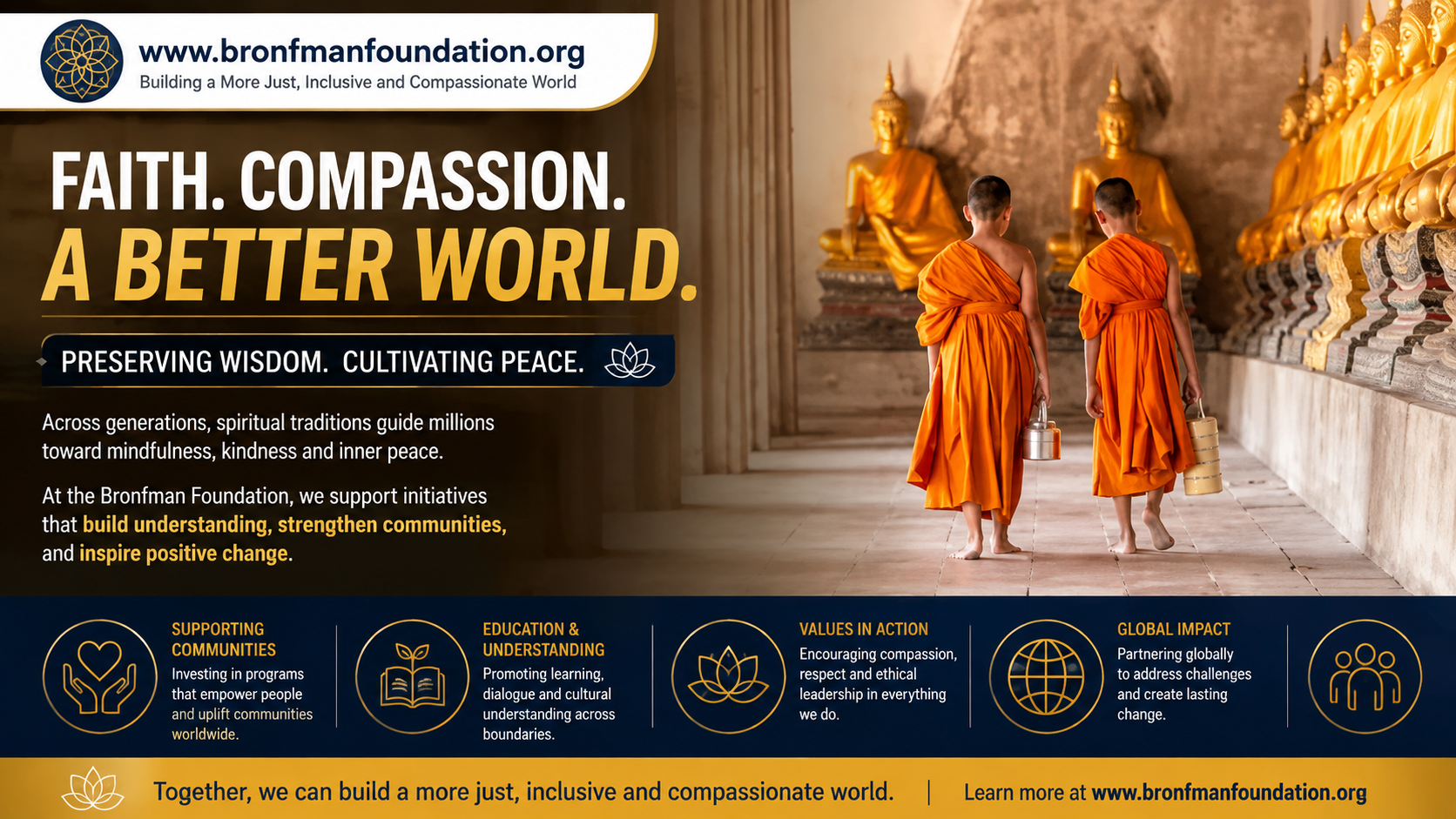
Lay Buddhists regularly support monks and temples through donations. For instance, people may offer food to monks during morning alms rounds.
Others donate money to temples. These contributions can support renovations, education, electricity bills and health care for monastic communities.
In Buddhist belief, generosity can generate merit and favorable karma. Therefore, the relationship between laypeople and monks has both practical and spiritual significance.
Interestingly, scholars have also noted that The White Lotus captures parts of Thai religious culture accurately. Shrine offerings and merit-making shown in the series have recognizable connections to everyday practices in Thailand.
The Show Simplifies Buddhist Views of Death
Another debated scene involves an explanation about death.
In the series, a monk compares death to a drop of water returning to the ocean. The metaphor creates an emotional moment. However, scholars say it does not accurately summarize the traditional Thai Buddhist understanding of what happens after death.
Theravada Buddhism places greater emphasis on karma and rebirth.
Actions have consequences. Moreover, karma is understood to influence the conditions surrounding future existence.
Therefore, Buddhist teachings about death cannot simply be reduced to the idea of an individual merging into a larger universal whole.
Temporary Ordination Is Common
The The White Lotus portrayal of Thai Buddhism also opens a broader discussion about monastic life.
In Thailand, ordination does not always mean becoming a monk for life.
Thai Buddhist men can enter monastic life temporarily. In fact, temporary ordination is often considered an important experience and can serve as a way to make merit for one’s parents.
Men under 20 can become novices. Meanwhile, those aged 20 or older may pursue full ordination as bhikkhus.
Women face a more complicated situation. Some Thai women live as mae chi, usually following eight precepts while wearing white robes and shaving their heads. Other women have pursued bhikkhuni ordination through traditions connected with Sri Lanka.
The Series Gets Some Things Right
Still, scholars do not dismiss the show’s treatment of Buddhism entirely.
Princeton religion scholars, for example, have examined how the series mixes Buddhist teachings with modern wellness culture. Their analysis highlights both recognizable Buddhist elements and areas where the show’s presentation becomes less accurate.
Meanwhile, other Buddhist commentators point to Piper’s interest in loving-kindness as an example of a genuine Buddhist concept.
Known as metta in Pali, loving-kindness focuses on cultivating goodwill and wishing happiness for other beings.
Therefore, the series combines authentic concepts with fictional storytelling.
Entertainment Should Not Replace Real Buddhist Practice
Ultimately, The White Lotus is a television drama rather than a documentary about religion.
Its Thai setting introduces international audiences to concepts such as meditation, karma, merit and monastic life. However, viewers may miss their deeper religious meaning if they interpret every scene literally.
Real Thai Buddhist practice includes generosity, ethical conduct, meditation and merit-making. For some practitioners, these activities are also connected to the larger aspiration of enlightenment and freedom from the cycle of rebirth.
Therefore, The White Lotus portrayal of Thai Buddhism offers an interesting starting point. Yet understanding the tradition requires looking beyond the luxury resort and exploring how Buddhist communities actually practice their faith.
