

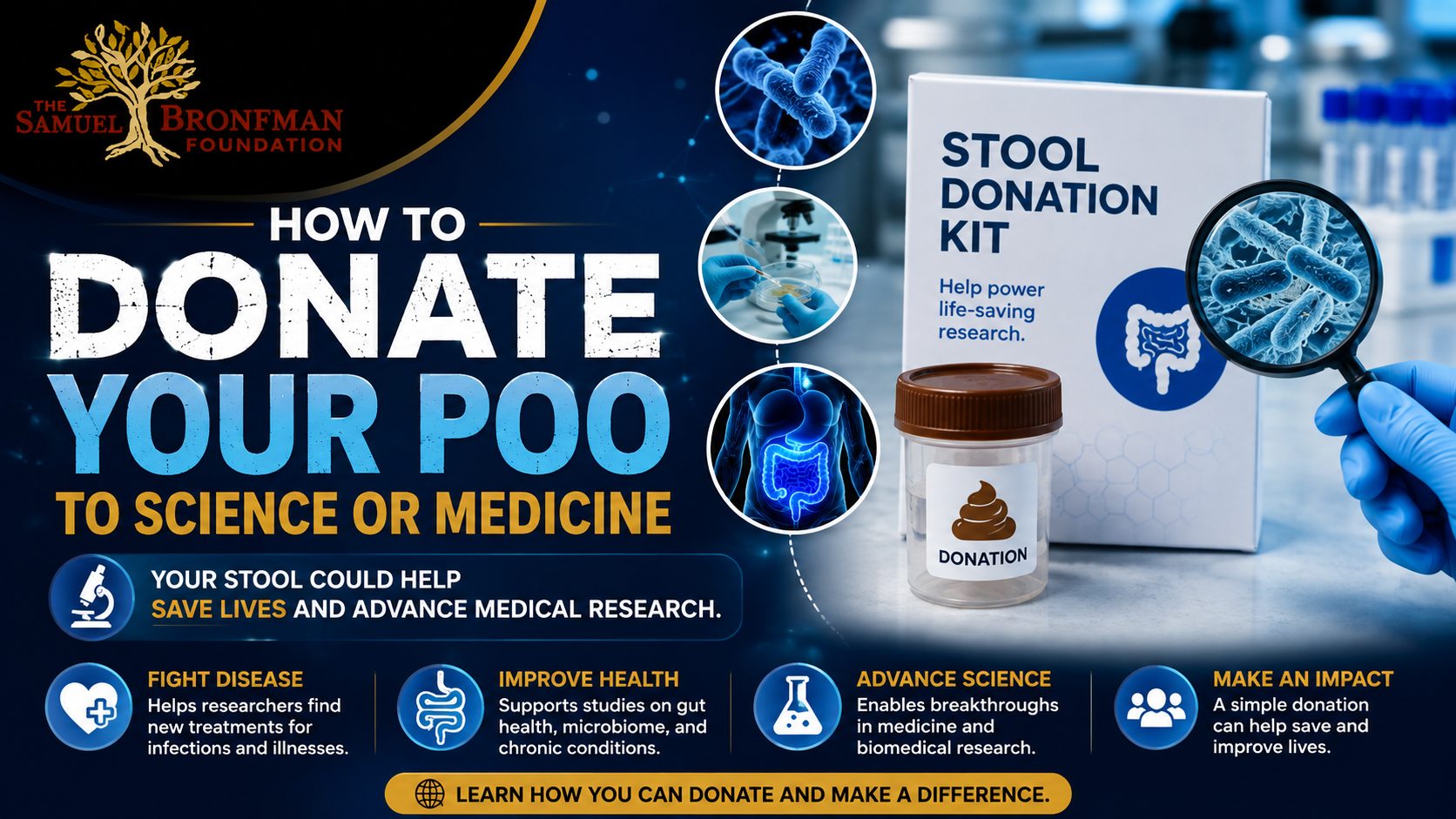
When people think about medical donation, blood, organs and tissue usually come to mind. However, stool donation for science is also becoming an important resource for researchers studying the human gut microbiome and for certain medical treatments.
Human stool contains a vast community of microorganisms known collectively as the gut microbiome. These microbes play important roles in digestion, metabolism and immune function. By studying donated stool, scientists can investigate how differences in gut microbes may be connected with health and disease.
How Can Donated Stool Be Used?
One established medical use involves fecal microbiota transplantation, commonly known as FMT. During this procedure, carefully processed material derived from stool from a screened healthy donor is administered to another person with the aim of restoring a healthier intestinal microbial community.
FMT has an established role particularly in managing recurrent Clostridioides difficile, or C. difficile, infection in appropriate patients. Researchers are also studying the microbiome and stool-derived treatments for other conditions, although many of these applications remain investigational rather than established therapies.
In the United States, the FDA regulates fecal microbiota products used to diagnose, prevent, treat or cure disease as biological products. The agency currently lists two FDA-approved fecal microbiota products, REBYOTA and VOWST.
Becoming a Stool Donor Requires Strict Screening
Not everyone who wants to make a stool donation for science will qualify. Medical programs generally apply strict eligibility requirements because stool can carry viruses, bacteria, parasites and antibiotic-resistant organisms that could potentially harm recipients.
Potential donors may therefore undergo health questionnaires, medical assessments, blood tests and stool testing. Screening can consider medical history, infections, medications, travel and behaviors that could increase the risk of transmitting disease.
The screening process can eliminate a large proportion of applicants. In one clinical trial described by researchers at UNSW Sydney, only 12 of 116 potential donors passed the screening process.
Where Can People Donate?
The process depends heavily on location. People interested in donating should look for legitimate university research programs, hospitals, clinical studies or recognized stool-donor programs operating in their area.
Some research projects may request only one sample, while others need repeated donations. Clinical programs can impose much stricter requirements and may require donors to live or work close enough for samples to be collected and processed quickly.
People should not attempt a DIY fecal transplant or provide stool directly to another person. The FDA has documented serious infections associated with transmission of harmful organisms through FMT, which is why professional donor screening and laboratory testing are essential.
A Simple Donation With Significant Research Potential
Stool donation for science may sound unusual, but the material can provide researchers with valuable information about one of the body’s most complex microbial ecosystems. Qualified donations can contribute to microbiome research, clinical trials and, in carefully controlled medical settings, treatments that can significantly improve patients’ health.
As scientists continue investigating the relationship between gut microbes and human health, well-screened stool donors could remain an important part of turning microbiome discoveries into safer and more effective medical therapies.
