
Angola Expands Efforts to Eliminate Neglected Tropical Diseases
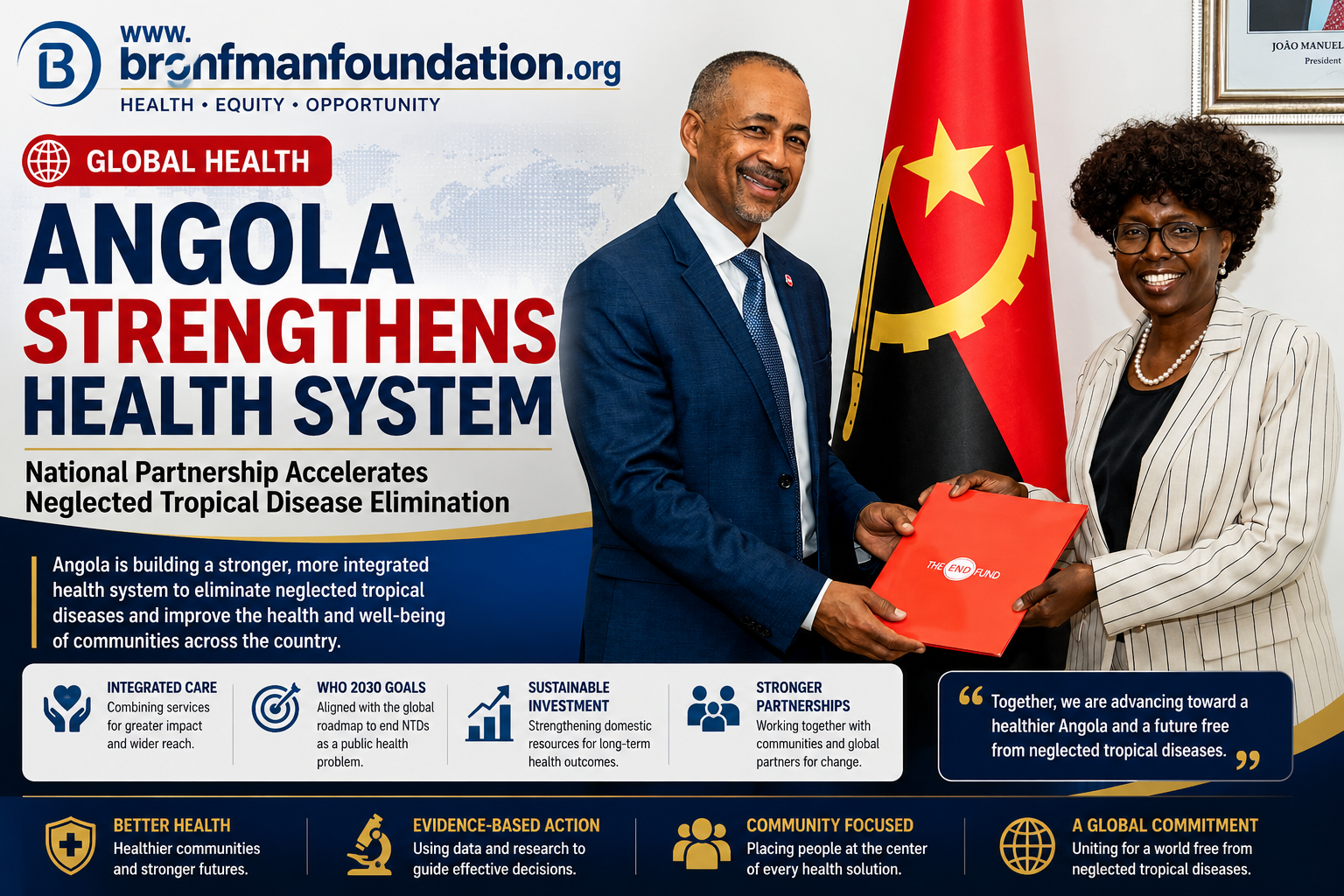
The Angola Health System is undergoing significant improvements as part of the country’s long-term strategy to eliminate Neglected Tropical Diseases (NTDs). The Angolan government is working closely with international health organizations to expand access to essential healthcare services across the country. In addition, the new strategy focuses on integrating NTD programs into primary healthcare, making prevention, diagnosis, and treatment more effective and sustainable.
As a result, healthcare services are no longer delivered through isolated programs. Instead, Angola is combining disease prevention, medical treatment, and community health initiatives into a unified system. This integrated approach allows more people, especially those living in remote communities, to receive timely healthcare services.
Integrated Healthcare Becomes the Main Priority
Strengthening the Angola Health System relies on close collaboration between the Ministry of Health, the World Health Organization (WHO), UNICEF, and several international development partners. Furthermore, the government continues to improve coordination among healthcare institutions to ensure that public health programs operate efficiently throughout the country.
Meanwhile, Angola is expanding primary healthcare facilities, investing in health workers, and strengthening disease surveillance systems. These efforts are expected to accelerate progress toward the World Health Organization’s goal of eliminating neglected tropical diseases by 2030.
Domestic Investment Supports Long-Term Sustainability
The government recognizes that the successful elimination of NTDs cannot depend solely on international assistance. Therefore, increasing domestic investment has become a major priority. Stronger national funding will help maintain healthcare programs and ensure their long-term sustainability.
In addition, authorities are improving budget planning to maximize available slot gacor hari ini resources. Better financial management allows healthcare services to reach more communities while maintaining high standards of care. This approach also strengthens the country’s ability to respond to future public health challenges.
Collaboration Drives Progress Toward the WHO 2030 Target
Collaboration remains one of the most important pillars of the Angola Health System. Moreover, improvements in clean water access, sanitation, public health education, and medical research are helping reduce the spread of neglected tropical diseases. These complementary initiatives support healthier communities and improve overall public health outcomes.
Finally, Angola aims to build a stronger and more resilient healthcare system while accelerating the elimination of neglected tropical diseases. Through continued government leadership, international partnerships, and sustainable investment, the country remains committed to achieving the WHO 2030 roadmap and protecting the health of future generations.
